When a toddler’s first words are more like a monologue than a conversation, parents might wonder: is this just a quirky phase, or something deeper? Early autism diagnosis is often the key that unlocks a world of tailored support, helping children reach their fullest potential. In this guide, we’ll explore why early detection matters, how it shapes brain development, and what families can do to turn early clues into powerful opportunities. Spoiler: it’s not just about spotting red flags—it’s about giving your child a head start on a lifelong journey.
Spotting the Early Clues: What Parents Should Look For
Communication Milestones
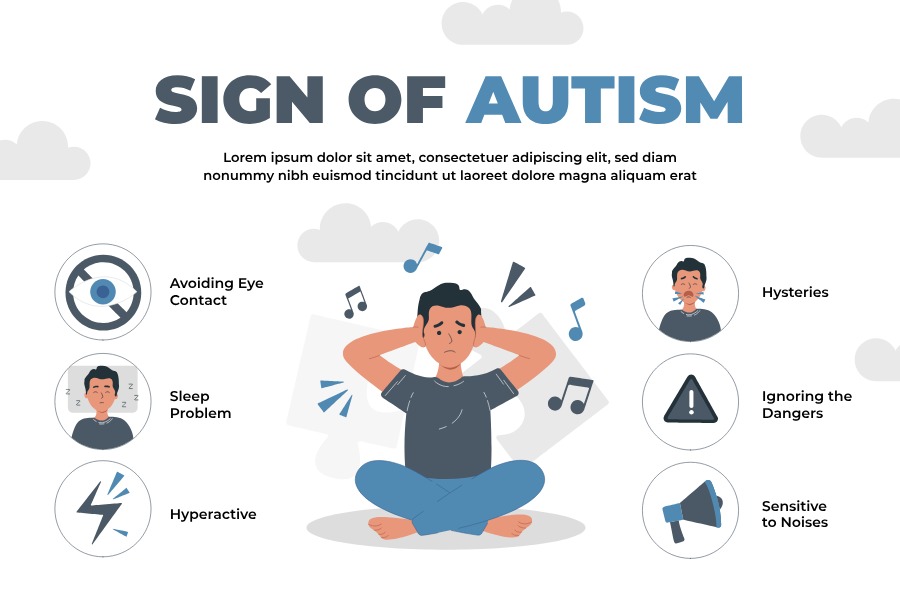
Most parents notice a delay in babbling or Difficulty with transitions first words around 12–18 months. But it’s not just about how many words a child uses; it’s about how they use them. A child who responds to their name but rarely initiates eye contact or gestures might be showing subtle signs of autism.
Social Interaction Patterns
Do they seem uninterested in playing with peers? Do they prefer solitary activities over shared games? These behaviors can signal early social challenges that, if addressed, can blossom into meaningful relationships later.
Sensory Sensitivities
An overreaction to bright lights, loud noises, or certain textures can be more than just a phase. Sensory sensitivities often appear early and can interfere with learning and daily routines.
> “Early identification is like catching a storm before it hits the coast,” says Dr. Maya Patel, child psychologist. “You can navigate the waves instead of being swept away.”
The Science Behind Early Diagnosis: How Timing Affects Brain Development
Neuroplasticity and Critical Periods
The brain is a sponge, especially in the first few years of life. During critical periods, neural pathways are highly receptive to learning. When a child’s brain receives targeted stimulation—through speech therapy, social skills training, or sensory integration—it can strengthen those pathways more effectively than later in life.
Long‑Term Outcomes
Studies consistently show that children diagnosed before age three have higher rates of independent living, academic success, and social integration compared to those identified later. Early diagnosis is not a verdict; it’s a starting point for a personalized growth No pretend play plan.
> “It’s like tuning a radio before the signal is clear,” explains Dr. Patel. “You set the frequency early, and the music plays smoothly.”
Practical Steps: From Observation to Professional Evaluation
When to Seek a Specialist
If you notice any of the early signs, it’s wise to consult a pediatrician. They can refer you to a developmental specialist for a comprehensive assessment.
Choosing the Right Diagnostic Team
Look for clinicians who:
- Use standardized tools such as the ADOS‑2 or M-CHAT. Have experience with diverse populations. Offer a multidisciplinary approach (speech, occupational, behavioral).
> “A good team is like a well‑orchestrated band,” says therapist Lisa Chen. “Everyone plays a part, but the harmony matters most.”
Building a Supportive Path: Early Intervention Strategies
Therapeutic Approaches
- Applied Behavior Analysis (ABA) focuses on reinforcing positive behaviors. Speech and Language Therapy targets communication gaps. Occupational Therapy helps with sensory integration and daily living skills.
Family and School Collaboration
- Parent training equips families with strategies to reinforce therapy at home. Individualized Education Plans (IEPs) ensure schools provide appropriate accommodations.
> “When families and schools work together, it’s like building a bridge rather than a wall,” notes educator Mark Rivera.
Beyond the Diagnosis: Empowering Families and Children
Self‑Advocacy
Teaching children to understand their own strengths and challenges empowers them to navigate social and academic settings confidently.
Celebrating Strengths
Many autistic individuals excel in areas like memory, pattern recognition, and creative thinking. Recognizing these talents turns a diagnosis into a celebration of uniqueness.
> “It’s not a deficit; it’s a different kind of asset,” says advocate Angela Lopez.
A Call to Action: The Role of Communities and Policy
Advocacy and Resources
- Community support groups provide shared experiences and coping strategies. Policy initiatives can improve access to early screening and intervention services.
> “When policy supports early detection, we’re investing in a brighter future for all children,” says Dr. Patel.
Putting the Pieces Together
Early autism diagnosis is not a ticking clock; it’s a compass that guides families toward the most effective interventions. By spotting early signs, understanding the science of brain development, and building a strong support network, parents can help their children thrive. Remember, every child’s journey is unique—what matters most is that the right help arrives at the right time.
If you suspect early signs in your child, consider reaching out to a pediatrician today. Early steps can set the stage for a lifetime of growth, connection, and discovery.